Pull two different market trackers for Uptown New Orleans this summer and you'll walk away with two contradictory numbers, and both of them will be correct. One tracker shows the average sale price down more than 11 percent from a year ago. Another shows the median sale price up 22 percent over the same stretch. Neither figure is a typo. Neither source made an error. They are both describing the same blocks between Magazine Street, LaSalle Street, Jefferson Avenue, and Napoleon Avenue, and they are both telling the truth.
The reason isn't methodology. It's that "Uptown" as a single price category has quietly become two different housing economies wearing one name, and what shifted this year wasn't the value of either one. It was the mix of which one happened to sell.
Averages Fell, Medians Rose, and Both Are True
Here's the shape of the contradiction. Redfin's most recent tracking put Uptown's average house price down 11.2 percent year over year. Homes.com's tracking, pulled around the same time, told a different story: as of May 2026, the neighborhood's median home price stood at $725,000, while the average sale price on that same read was $817,446, a gap wide enough on its own to hint at a skewed distribution. A separate twelve-month read from Homes.com put the median even higher, at $747,500, up 22 percent from the year before.
An average and a median only pull apart like this when the underlying pool of homes that sold changes shape. If a handful of restored single-family mansions near St. Charles Avenue closed this year where they didn't last year, or if a batch of smaller condos and investor doubles near Freret Street sold last year and sat quiet this year, the reported price can swing by a large margin without a single home actually gaining or losing value. The number moves. The market underneath it doesn't have to.
That's the pattern here, and it's worth understanding before you use "the Uptown median" to compare this neighborhood against anywhere else.
The Two Uptown Economies
Uptown's official footprint spans St. Charles Avenue itself, and inside that footprint sit two buyer pools with almost nothing in common except a zip code.
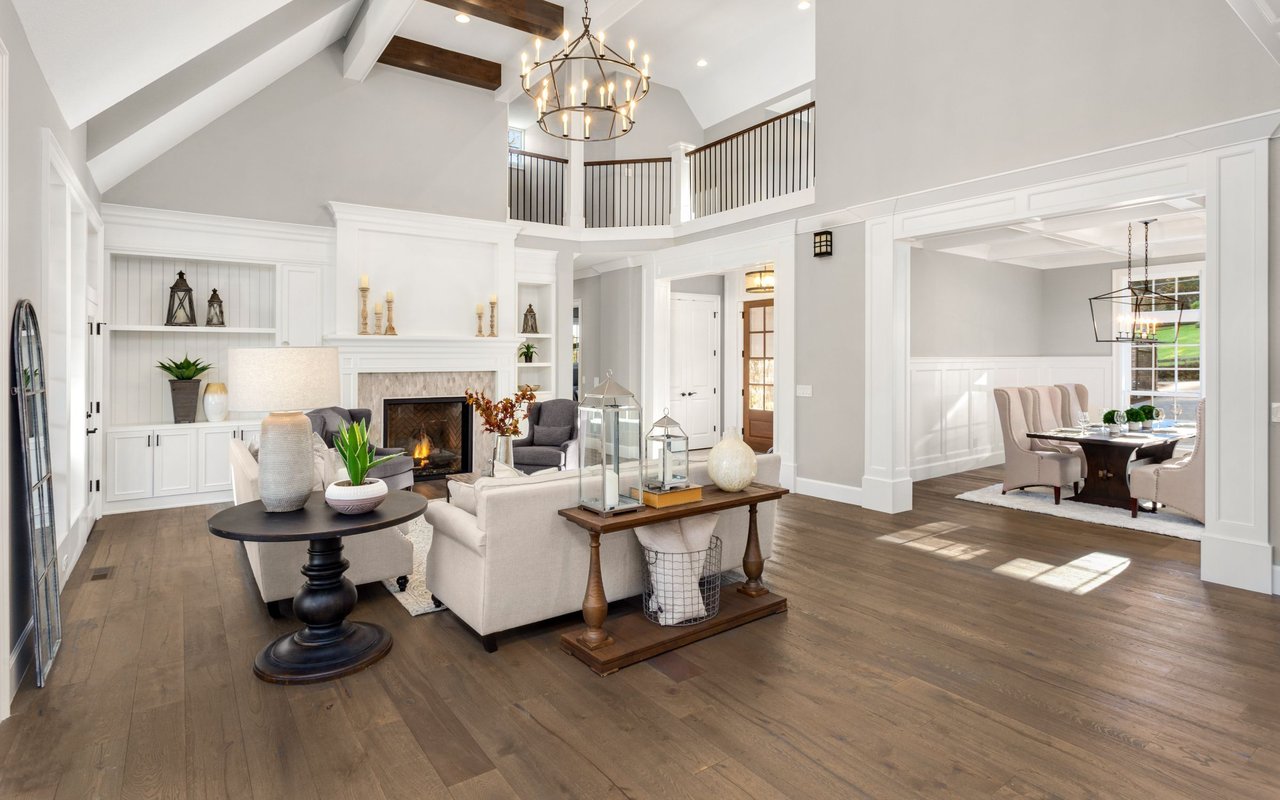
- The St. Charles Avenue corridor. Restored single-family homes, Greek Revival, Italianate, Eastlake, and Craftsman styles, averaging around 2,300 square feet with plenty running past 3,000 in the upper brackets. Buyers here are pricing architectural pedigree, restoration quality, and lot depth. They're owner-occupants, mostly, paying for permanence.
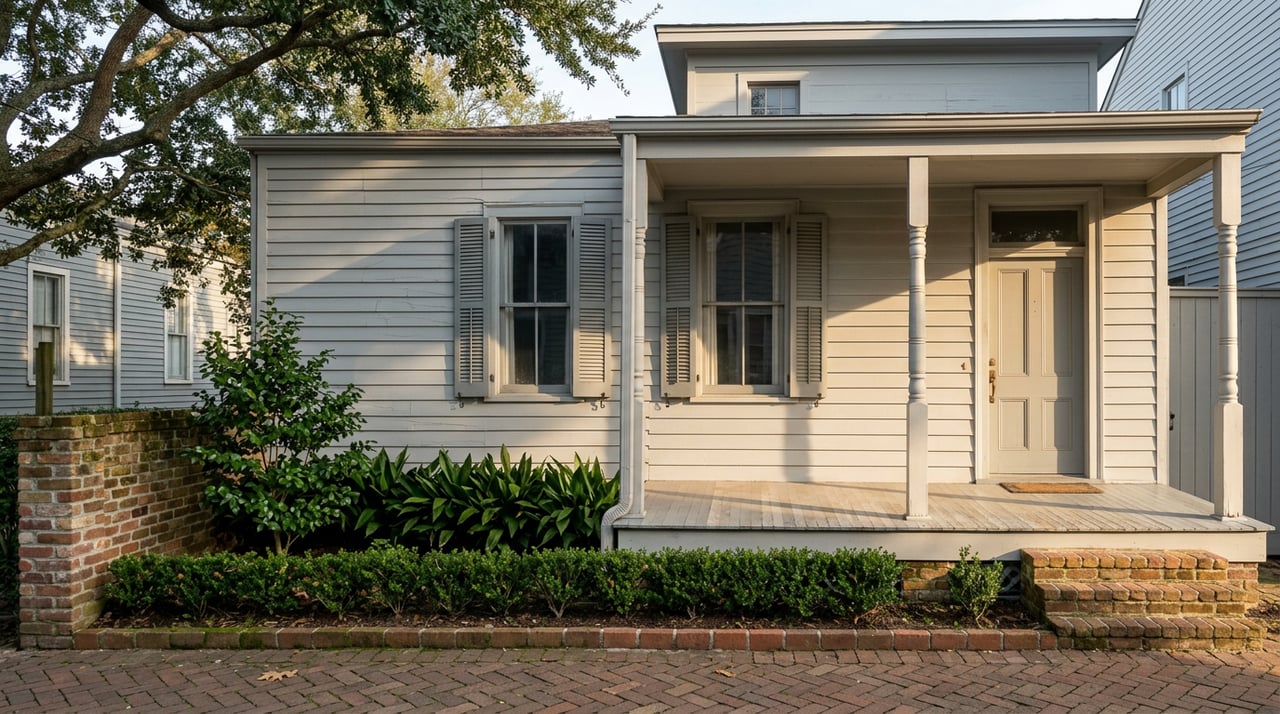
- The Freret corridor and university edge. Doubles, fourplexes, and camelback conversions bought for rental yield rather than restoration value. One fourplex in the Freret corridor was marketed as fully leased with a 2023 fortified roof, priced on cash flow rather than curb appeal. A 60-by-220-foot parcel near Freret was listed as a development opportunity, with its existing Craftsman-era, raised-basement double treated as incidental to the land underneath it. Even where the product is a straightforward duplex rather than a development play, the economics run the same direction: one Uptown double just a couple of blocks off St. Charles Avenue was marketed with separate electric, gas, and water meters built specifically to serve two paying tenants instead of one family, with rent history quoted at $2,000 a month per side.
Those two buyer pools don't compete for the same properties, and they don't price square footage the same way. A restored single-family home earns its price from finish quality and history. A double earns its price from what two tenants will pay combined. When more of one type sells in a given quarter than the other, the neighborhood-wide average or median moves even though nothing about either submarket actually changed.
The St. Charles Avenue micro-market shows this in miniature. Over the three months ending in March 2026, the median sale price there jumped 65 percent year over year to $460,000, while the price per square foot on those same sales fell 21 percent. Twenty-two homes sold in that window, up from just eleven the year before. Doubling a sample from eleven to twenty-two sounds like more data, but it's still barely two dozen closings. One long-held family cottage finally coming to market, or one grand home selling after decades outside the trade, can swing that line more than the underlying market moved.
What's Actually Behind the Shift
Part of what's feeding this mix change is a renovation trend that's been running through Uptown for years: doubles quietly becoming single-family homes again. The Preservation Resource Center has documented this kind of conversion directly, including a State Street double that was opened into one home and later expanded with a camelback addition, taking the house from 1,640 to 2,800 square feet in the process.
That's exactly the kind of transformation that makes a clean "price per square foot" comparison difficult. A double converted into a single-family home with an added camelback isn't competing with the fourplex down the street anymore, and it isn't quite the same product as the untouched 1890s original it started as either. Every conversion like that quietly moves a property from one Uptown economy into the other, and the neighborhood's aggregate numbers absorb the change without explaining it.
What This Means If You're Comparing Uptown to Somewhere Else
If you're weighing Uptown against another neighborhood on your list, the single Uptown number isn't the useful comparison. The useful comparison is submarket to submarket. Restored single-family stock near St. Charles Avenue should be measured against restored single-family stock elsewhere. Income-producing doubles near Freret should be measured against income-producing doubles elsewhere. Blending the two and calling it "the Uptown price" tells you less than either number would on its own.
Pace matters here too. Homes across Uptown overall are averaging 63 to 66 days on market against a national average closer to 57 or 58 days. But the St. Charles Avenue slice specifically is now averaging 77 days, nearly double the 40 days it took a year earlier. A market can post a strong median and still be moving slower than it looks, which usually means there's more room to negotiate on timeline than the headline price would suggest.
Inventory adds one more wrinkle. Homes.com's most recent count showed only about 15 active listings across all of Uptown. When the total pool is that small, a single high-end sale near St. Charles Avenue, or a cluster of investor doubles closing near Freret in the same month, can move the reported median more than the actual market moved underneath it.
Quick Answers Before You Compare Numbers
Why did one source show Uptown prices falling while another showed them rising? Because an average and a median respond differently to a change in sales mix. When more restored single-family homes sell in one period and more smaller doubles or condos sell in another, both figures can move in opposite directions without either type of home actually losing or gaining value.
Is buying near Freret Street basically buying a rental property? Not necessarily, but a meaningful share of what's listed in that pocket is configured and priced for tenants first, with separate utility meters and unit counts built for income rather than a single household. Single-family homes exist there too. The comparison only works if you filter by property type, not by proximity to the corridor.
How many homes are actually for sale in Uptown right now? Recent tracking put active listings at around 15 across the entire neighborhood. That's a small enough pool that one unusual sale, in either direction, can shift the reported median more than the broader market has actually shifted.
Numbers like these are exactly why a single median rarely tells the whole story in a neighborhood built from this many different kinds of housing stock. If you're trying to work out what a specific Uptown property, or a specific block, actually means for your budget and your goals, that's a conversation worth having directly. Let's Connect, and we can look at the comparison that actually applies to you.